August 30, 2026
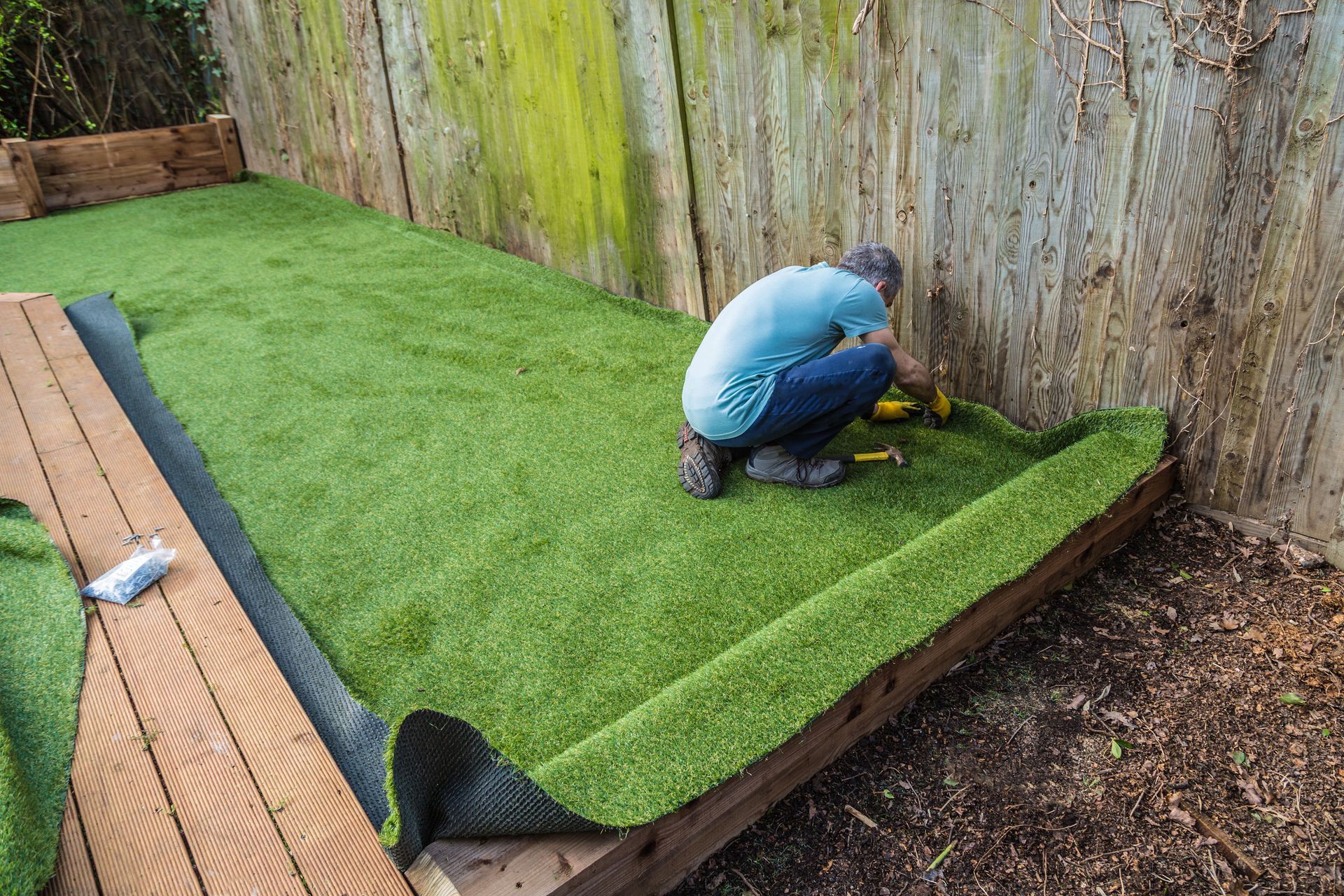
In recent years, artificial turf installation has become a popular choice for both residential and commercial landscapes. Offering numerous benefits, this modern solution is increasingly preferred over natural grass. In this article, we explore the various ways artificial turf installation can enhance your grounds and provide sustainable, aesthetic, and functional benefits. With advancements in technology, artificial turf now offers superior durability and economic advantages, making it a sustainable choice. It represents a significant shift in landscape management, prioritizing long-term benefits and eco-friendly practices.
1. Enhanced Aesthetic Appeal
Artificial turf installation provides a uniform, green appearance year-round, unlike natural grass, which can suffer from patches, weeds, and discoloration. The appeal of a constantly lush and pristine lawn is a major draw for homeowners and commercial property managers alike. This consistent visual appeal can make a significant difference in the overall impression of a space. Maintenance becomes less about restoration and more about preservation. Requiring no watering, artificial turf stays vibrant even in drought conditions, maintaining its allure across all seasons.
Available in different blade heights, colors, and textures, artificial turf can be customized to match your landscape design. This flexibility allows property owners to choose a specific look that harmonizes with their existing aesthetic or desired theme. Modern synthetic grass products mimic the look of natural grass so closely that most people cannot tell the difference. The ability to imitate various grass species and the selection of shades of green or other colors offer tailored aesthetic enhancements. Such customization promotes creative landscape designs that were not possible with natural grass.
Artificial turf can be easily cut and shaped to fit intricate designs, enhancing the overall landscaping aesthetics. It adapts to various spaces, making previously unusable areas accessible and attractive. As a highly adaptable surface, it allows for innovative landscape transitions, walkways, and the creation of patterns or logos for businesses. This adaptability leads to a cohesive and sophisticated landscape that complements a property's architecture. By eliminating constraints posed by natural grass growing conditions, artificial turf unlocks creative potential in landscape architecture.
A well-maintained, lush-looking lawn boosts the property's curb appeal, potentially increasing its market value. Homeowners looking to sell can benefit significantly from the immediate visual impact of artificial turf. It garners positive attention and creates a lasting impression on potential buyers or visitors. The allure of a perfect lawn, without the time-consuming upkeep of natural grass, elevates a property's attractiveness. The consistent beauty of artificial turf presents an inviting view that ties together all elements of exterior design.
2. Reduced Maintenance Requirements
The need for weekly mowing, trimming, and lawn equipment is eliminated, saving time and effort. For homeowners with busy schedules or those who prefer leisure over lawn maintenance, artificial turf is an excellent choice. The effort and resources saved from eliminating mowing contribute significantly to overall lifestyle improvements. This also reduces noise pollution, as regular lawn maintenance requires noisy machinery that disrupts the peace. Eliminating these chores frees up valuable time and energy for other pursuits.
Artificial turf does not require regular watering, contributing to significant water savings and lower utility bills. Amid growing environmental concerns, water conservation has become a critical consideration for homeowners and businesses. Artificial turf meets this need by eliminating the dependency on water for lawn maintenance. By conserving water, property owners not only save on expenses but also contribute to sustainable living practices. This aspect is particularly advantageous in regions prone to droughts, where water restrictions are in place.
Without natural soil, weeds struggle to thrive, reducing the need for weed control, fertilizers, and herbicides. Artificial turf’s inherent structure acts as a natural deterrent for weeds. This reduction in chemical use results in both a cost-saving measure and an environmentally conscious practice. Furthermore, artificial turf’s durability means fewer interventions to keep the lawn looking pristine. Less maintenance also means lower long-term costs associated with lawn upkeep products.
Made to withstand wear and tear, artificial turf has a long lifespan, often ten years or more, minimizing maintenance costs. According to Lawn Love, while the upfront cost of artificial turf is higher than seeding a natural lawn, a synthetic lawn can provide long-term savings because it lasts about 10-25 years and requires no maintenance fees. This long-term viability is a significant factor in the turf’s growing popularity as a replacement for natural lawns. Advances in manufacturing have led to robust turfs resistant to fading and heavy use. With artificial turf, once the initial installation cost is addressed, the savings begin to compound over time.
3. Environmental Benefits
Less need for fertilizers and pesticides results in a decreased chemical footprint. The chemicals typically required for natural lawns can have detrimental environmental effects, including water pollution. Artificial turf offers an eco-friendly alternative that aligns with efforts to reduce chemical dependence. By choosing synthetic grass, property owners contribute to healthier ecosystems and communities. The absence of chemical runoff leads to safer water sources and less environmental damage overall.
Artificial turf's low water needs are environmentally friendly, aiding in the preservation of local water supplies. Water conservation is an ever-growing necessity, reflecting the global push towards more sustainable living. With natural lawns being significant water consumers, transitioning to synthetic turf is a proactive step in environmental preservation. This is particularly significant in arid climates where water scarcity can be a critical issue. Artificial turf's minimal water demands empower responsible resource management.
With no mowing required, air pollution from lawn maintenance equipment is significantly reduced. Lawn mowers and similar equipment contribute substantially to greenhouse gas emissions. Switching to artificial turf eliminates this source of carbon emissions, aligning with broader efforts to combat climate change. Property owners can rest easy knowing their choice of landscaping contributes positively to air quality. This environmental benefit underscores artificial turf's role in sustainable landscape solutions.
4. Improved Safety Features
Artificial turf does not produce pollen, significantly reducing allergies and promoting healthier environments. This is a considerable advantage for families with individuals sensitive to pollen or who suffer from seasonal allergies. By mitigating exposure to grass pollen, artificial turf contributes to a more comfortable living space. It provides allergy sufferers with an outdoor space they can fully enjoy without distress. The allergen-free nature of artificial turf extends its appeal beyond aesthetic concerns to health-conscious choices.
Modern artificial turf includes shock-absorbent layers, reducing the risk of injuries from falls. This feature is particularly beneficial in play areas, sports fields, and high-traffic zones, where the risk of injury is more prevalent. A softer ground surface mitigates impact and protects children and athletes alike. The improved safety profile is a decisive factor for schools, recreational facilities, and homeowners with children. By absorbing shock more efficiently than natural grass, artificial turf enhances the overall safety of a property.
Unlike natural grass, artificial turf does not develop holes or uneven patches, providing a safer surface for activity. This stability ensures a reliable terrain for running, playing sports, or outdoor performances. The consistent playability of synthetic turf is a recognized advantage in sporting communities. With a uniform surface, artificial turf minimizes the risk of tripping or falling, creating a secure environment. This benefit extends to all users, making synthetic turf a versatile choice for diverse outdoor spaces.
Artificial turf installation offers a multitude of advantages, enhancing the aesthetic, economic, and environmental facets of any property. Its adaptability to various applications and low-maintenance nature make it an ideal choice for modern landscaping needs. As technology advances, the benefits of artificial turf are expected to improve even further, securing its place as a leading landscape solution. The wide range of applications, from residential to commercial, underscores its versatility. Ultimately, artificial turf represents a forward-thinking, sustainable choice for those prioritizing functionality, beauty, and environmental responsibility in landscape design. For more questions about artificial turf installation, contact RLTW Facility Services today.